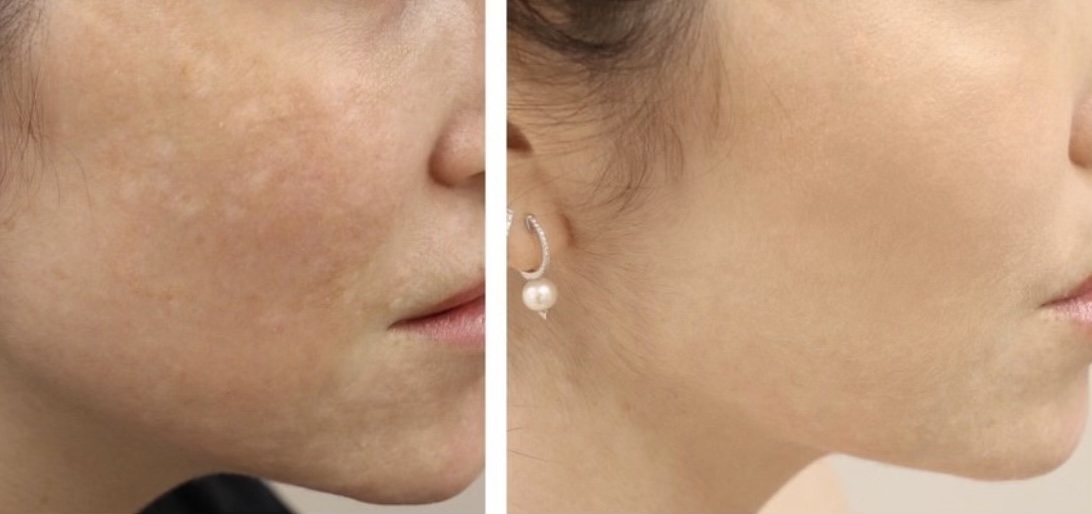
Scar revision is not a cosmetic decision — it is a medical one. Miriam works with clients who need clinically structured approaches to scars left by surgery, trauma, or burns. These are not one-size-fits-all treatments. Each protocol is built around skin biology, wound behaviour, and medical safety, and is chosen based on the structure and age of the scar — not simply how it appears on the surface.
Here are a few of the ways Miriam’s paramedical scar reduction work unfolds:
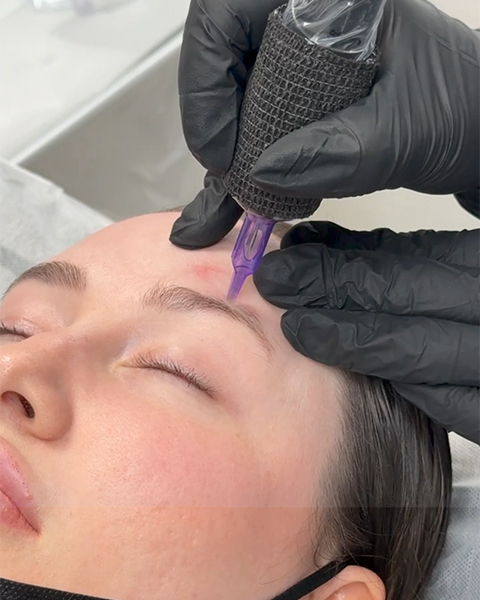
I use medical-grade microneedling devices specifically approved for scar remodeling, helping stimulate collagen without damaging surrounding tissue.
I select treatments based on scar type—whether hypertrophic, keloid, contracture, or atrophic—each responds differently to correction.
I frequently work alongside surgeons and dermatologists, especially for post-operative or graft-related scars.
These are just some of the ways Miriam’s paramedical scar reduction work takes shape — built around clinical reasoning, never surface-level solutions.
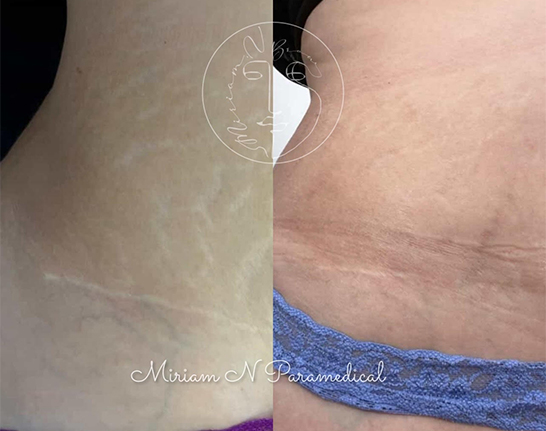
Blemish camouflage is a specialised technique for the skin discolouration left behind by acne scars, burns, surgical marks, and stretch marks. It is designed for clients whose skin tone has been permanently altered by trauma or scarring and who are seeking a quieter, long-term alternative to daily coverage. Miriam works by implanting pigment into the affected areas so they meet the surrounding skin more closely — a process suited only to discolouration that has fully healed, usually scars older than twelve to eighteen months.
Here are the key elements of Miriam’s blemish camouflage work:
Using a specialised digital instrument, Miriam implants custom-mixed pigments into the skin — a precise, controlled technique that returns even tone and a natural, lived-in finish.
Each appointment runs an unhurried one to two hours — long enough for careful work, considerate of busier mornings and the meetings that follow.
Before any full treatment, a patch test is performed to confirm pigment compatibility, quietly ruling out irritation and unintended colour shifts.
Time between sessions is part of the work. The pigment is given space to settle, adjust, and integrate softly into your natural tone over the weeks that follow.
Step by step, these considered details make Miriam’s blemish camouflage work one that wears beautifully — and lasts.
Over fifteen years working with editorial, bridal, and celebrity skin have sharpened Miriam’s eye for tone, undertone, and the small shifts that make colour read naturally. The same precision that builds an undetectable cover-up on a magazine cover is the precision that guides each paramedical session.

The closest fashion lens leaves no room for thick layers or harsh blending — only the lightest, most considered hand will do. That couture-level finesse, refined over years on set, is exactly what Miriam carries into the pigment work for scar and stretch-mark camouflage.
Years working alongside the world’s most exacting clientele have shaped a quiet, studio-grade discipline — single-use instruments, careful preparation, and an unhurried, methodical pace. Every paramedical session is held to the same standard as her fashion work.
It can be done if the skin is flat, healed, and not too thin. Miriam checks elasticity first — overstretched or fragile skin may not retain pigment evenly.
Miriam works with pigments that sit softly in the skin, with no harsh edges or heavy finish. Once healed, the colour settles into a natural tone that doesn’t announce itself.
Miriam typically waits until the skin is fully closed and no longer sensitive or inflamed. Starting too early can interrupt natural healing, so the scar is always assessed first before any corrective work.
Miriam guides you through simple steps — avoiding friction, keeping the area moisturised, and following any product instructions given between sessions. Small, careful choices help the scar respond better with each visit.
Areas like the chest, shoulders, and upper arms tend to form thicker scars. Miriam adjusts her technique to how each region heals, so the treatment matches the scar’s behaviour.