
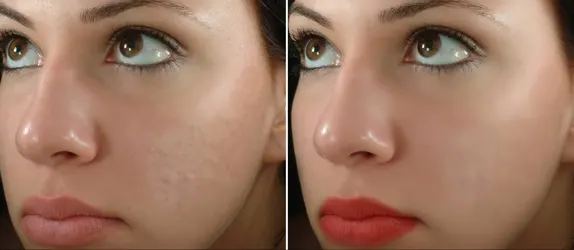
Blemish camouflage pigments play a big role in how well skin camouflage treatments work. When people look for ways to soften marks on the skin, they want a method that looks natural and lasts. So, the ingredients inside these pigments matter more than most clients realize. They guide color stability, help the skin heal well, and support results that blend into a person’s normal tone.
Each part works with the skin in its own way. When you know what is inside these formulas, you can make smarter choices. You can also understand why your skin responds the way it does. With the right information, you can walk in with confidence and know what brings the best outcome for your skin.
Iron Oxides and Their Role in Natural Color
Iron oxides sit at the center of most blemish camouflage pigments. These compounds help create skin-like tones that stay true over time. They are stable, gentle, and widely used in medical and cosmetic pigmentation. Many artists rely on them because they resist major color shifts. That means the treated area looks closer to the surrounding skin for a longer period.
However, iron oxides do more than add color. They also offer a structure that holds up well under light and daily exposure. When used in the right ratios, they help create warm, cool, or neutral tones. This gives the artist freedom to match many types of skin.
Even though iron oxides have been used for years, they still stand out for safety. Their history gives clients peace of mind. Their performance gives results that feel more dependable than many newer blends.
Titanium Dioxide and Its Brightening Strength
Titanium dioxide brings brightness and soft coverage to many formulas. It helps lighten tones so they match pale or lighter skin. Because it reflects light, it can help soften the look of textured areas. This makes it useful for scars, burns, or marks that dip or rise from the surface.
But titanium dioxide needs careful balance. When used too heavily, it can create a chalky or cool look. Skilled artists work to avoid this. They mix it with iron oxides to soften the strength and create more subtle effects.
“Titanium dioxide can improve results when used with care,” many professionals say. Its ability to brighten helps clients reach a better match in areas that need a softer touch. When you know why it is used, you understand how it affects your final outcome.
Skin-Safe Carriers That Support Healing
Pigments need a carrier to move smoothly into the skin. These carriers help the artist apply pigment with more control. They also help keep the formula even. Many carriers come from safe sources and work well with sensitive skin.
Common carriers include:
- Glycerin
- Witch-hazel-based blends
- A mix of distilled water and mild stabilizers
These carriers support hydration and help reduce irritation. They also keep the pigment from drying out too quickly during the process. When carriers work well, the treatment feels smoother, and results look steadier.
Clients should know that carriers matter just as much as the color itself. They play a role in healing, comfort, and how the skin settles after treatment.
Additives That Improve Stability
Some pigments include additives that help the formula stay stable. These ingredients support even color, smooth texture, and longer shelf life. While they sound complex, many are common in safe skincare products.
Frequently used stabilizers include:
- Mild preservatives
- Anti-microbial agents
- Binding agents
These parts keep the pigment clean and fresh until use. They also help the product resist clumping or separation. Because of these qualities, artists can use the formula with steady results.
Clients benefit from this because stable pigments settle better into the skin. They fade in a softer way and reduce the risk of uneven patches. This makes the final look smoother.
How Particle Size Shapes the Final Look
Particle size guides how pigments settle into the skin. Smaller particles create soft color and gentle blends. Larger particles add stronger coverage. When artists choose the right size, they ensure the treated area blends well with the surrounding skin.
“Particle size affects both color and healing,” experts explain. Smaller sizes can move with the skin better. Larger sizes stay more visible and may last longer.
This is why many high-quality pigments combine both. The mix helps create a natural look with enough depth to cover marks. Clients gain more even results and smoother transitions.
Here is a simple table that shows the differences:
| Particle Size | Benefits | Best Use |
| Small | Soft blend, moves well | Subtle areas |
| Medium | Balanced strength | Most skin tones |
| Large | Strong coverage | Deep marks |
Oxidation Control for Stronger Color Hold
Oxidation happens when pigments react with oxygen. This can change color if the formula uses unstable ingredients. To avoid this, many pigment makers include oxidation-control agents. These help the formula resist major shifts.
This matters because oxidation can lead to unwanted tones. By slowing that reaction, the pigment stays closer to its original match. Clients also get a steadier fade.
- More dependable long-term color
- Lower risk of sudden tone shifts
- Smoother fading across the treated area
Oxidation control supports results that age with the skin, not against it.
Why Skin-Tone Diversity Matters
Skin comes in many shades, undertones, and patterns. Blemish camouflage pigments need to respect that range. This section shows why diversity in pigment ingredients is critical.
Undertones
These guide warmth or coolness in the skin.
Surface Tones
These guide the outer tone that people see.
Depth
This guides how light or dark the tone appears.
When pigments offer a broad range, more people can find a precise match. This lowers the chance of mismatched color or uneven fading. It also helps clients feel more confident in the process because they can see themselves represented in the pigment options.
Wrap Up
Understanding what ingredients matter most in blemish camouflage pigments helps you choose treatments with more confidence. When you walk into a session, you now know how iron oxides, titanium dioxide, carriers, stabilizers, and other elements support your skin. This knowledge helps you ask better questions and sets clear expectations. As you explore your options, you may find that businesses like Miriam N Brows use these concepts to guide their work. What you decide next depends on your own goals, and there is always more to learn as the field continues to grow.

